What are the best shirataki noodle recipes for beginners?
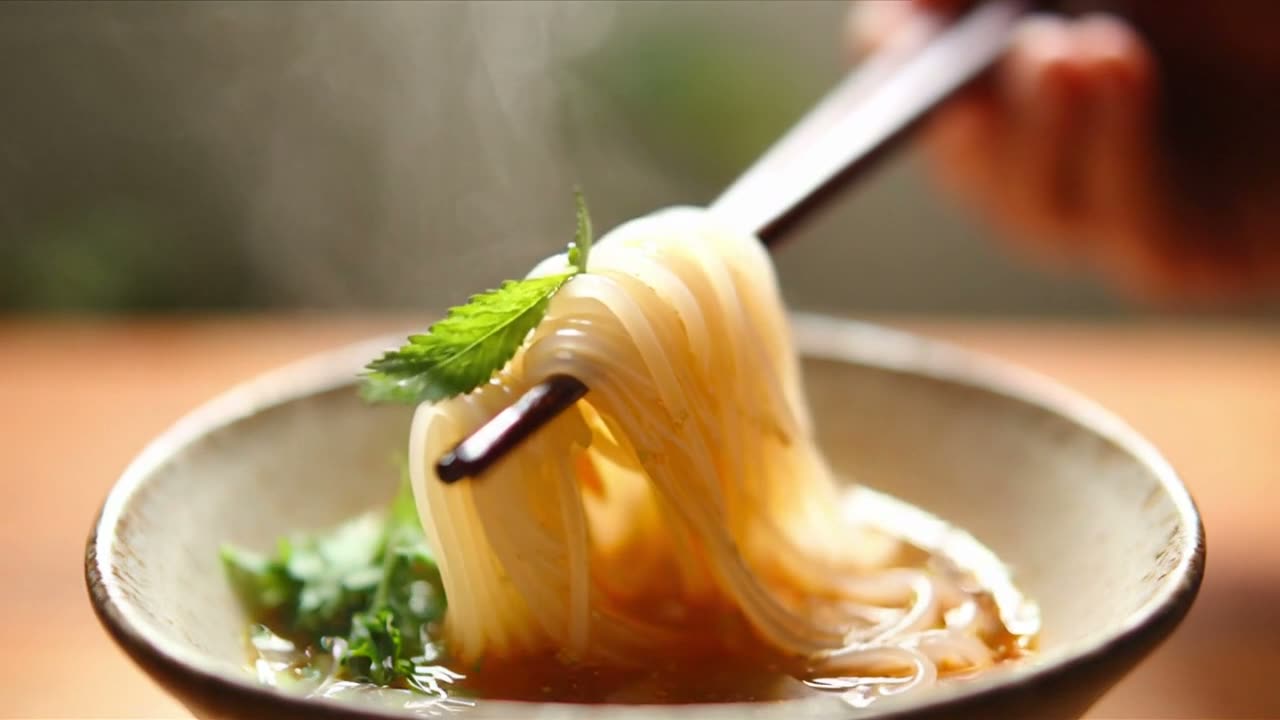
The best shirataki noodle recipes for beginners are fast, saucy dishes that need little starch, such as stir-fries, ramen bowls, and cold peanut noodles. Shirataki noodles are made from konjac, the corm of Amorphophallus konjac, and their main functional fiber is glucomannan, described in food science references as konjac glucomannan.
Use this starter list when you want a low-effort dinner with clear flavor direction:
- Sesame soy stir-fry: noodles, toasted sesame oil, soy sauce, ginger, scallions, egg, and cabbage.
- Garlic butter shirataki: noodles, butter, garlic, parmesan-style hard cheese, parsley, and black pepper.
- Miso ramen bowl: noodles, miso broth, soft egg, mushrooms, spinach, and chili oil.
- Pad Thai-style noodles: noodles, lime, fish sauce, tamarind, egg, bean sprouts, and crushed peanuts.
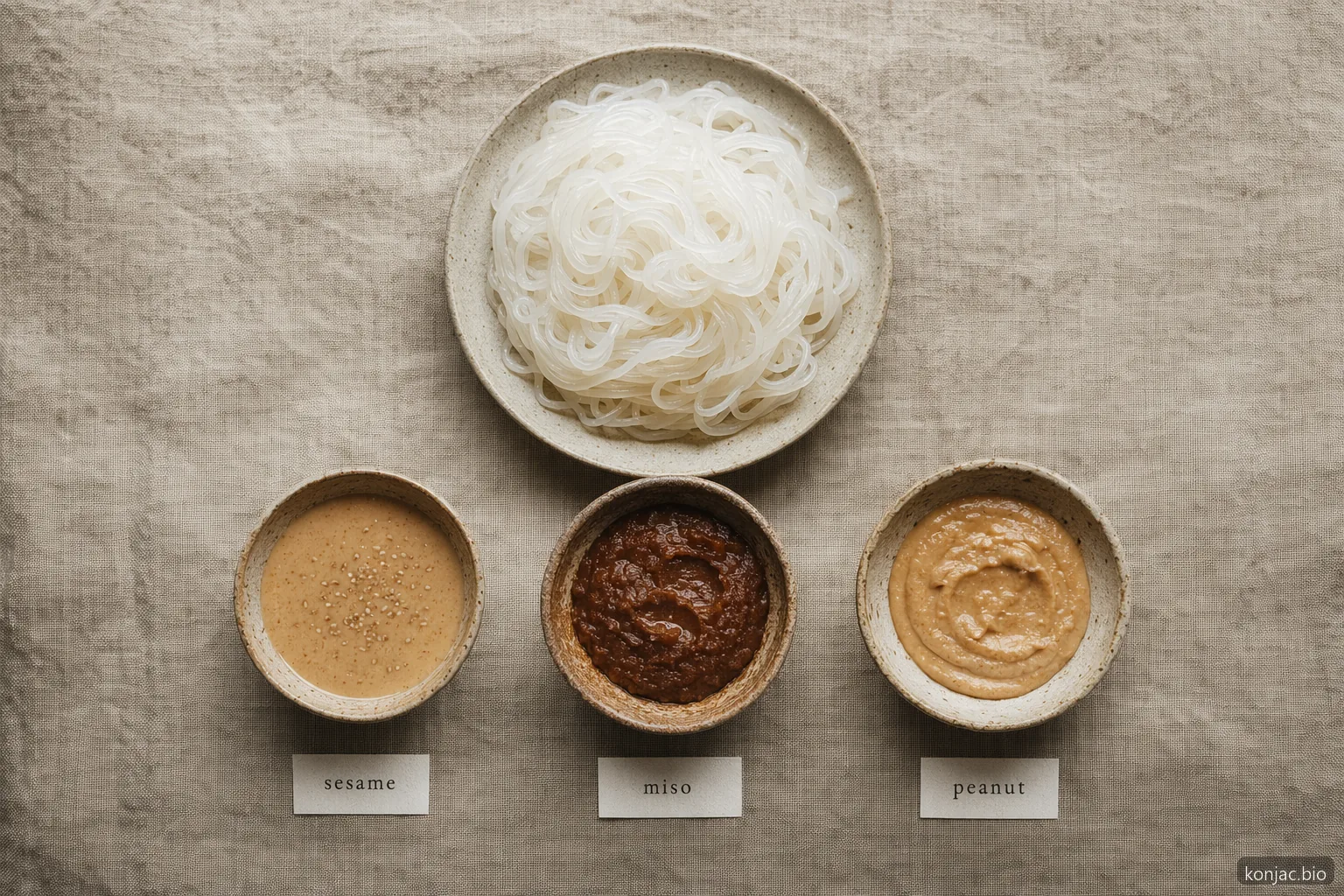
- Cold peanut salad: noodles, peanut butter, rice vinegar, cucumber, carrot, cilantro, and sesame seeds.
- Tomato basil skillet: noodles, crushed tomato, olive oil, garlic, basil, and grilled chicken.
- Thai curry noodles: noodles, coconut milk, curry paste, tofu, bell pepper, and basil.
- Kimchi noodle bowl: noodles, kimchi, egg, sesame, seaweed, and sliced cucumber.
- Teriyaki vegetable noodles: noodles, teriyaki glaze, broccoli, mushrooms, and chicken or tempeh.
- Lemon herb noodles: noodles, olive oil, lemon zest, parsley, capers, and white fish.
- Spicy Sichuan-style noodles: noodles, chili crisp, garlic, soy sauce, vinegar, and bok choy.
- Pesto shirataki: noodles, basil pesto, cherry tomatoes, spinach, and shrimp.
For more ways to cook across noodles, rice, and flour formats, see the parent guide: Konjac Recipes.
If you want one fast shirataki recipe to start with rather than a list, try this 20-minute version: drain and rinse 1 package of noodles, dry-pan for 3 to 5 minutes, then stir in 1 teaspoon sesame oil, 1 minced garlic clove, 1 teaspoon grated ginger, 1 cup sliced vegetables, and 3 to 4 ounces of cooked protein such as chicken, tofu, shrimp, or egg. Finish with 1 to 2 tablespoons soy sauce and a squeeze of lime just before serving.
How do you prepare shirataki noodles so recipes taste better?
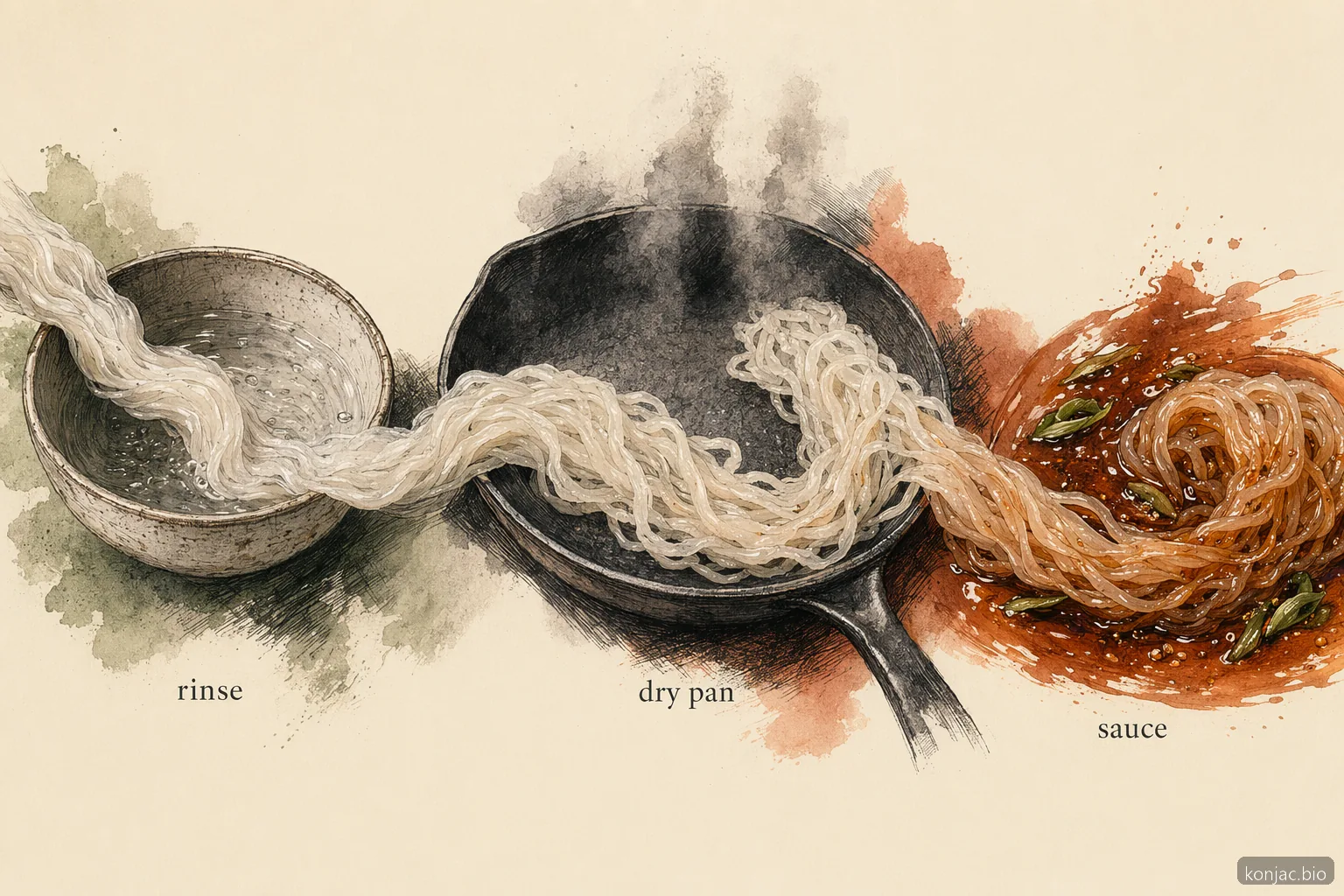
You prepare shirataki noodles by rinsing them, boiling briefly, dry-pan heating, and adding sauce only after surface moisture is gone. This sequence reduces the packed aroma, improves bite, and helps sauces cling instead of sliding into the pan.
- Drain: open the pack and discard the storage liquid.
- Rinse for 30 seconds: use cold running water and move the noodles with your fingers or tongs.
- Boil for 2 minutes: simmering helps neutralize aroma and warms the noodle core.
- Drain again: shake off water in a sieve.
- Dry-pan for 3 to 5 minutes: heat in a nonstick or stainless pan until steam drops sharply.
- Cut if needed: kitchen scissors make long noodles easier to mix with vegetables and protein.
- Add sauce last: toss on medium heat for 1 to 2 minutes until glossy.
Do not skip the dry-pan step. Shirataki noodles are water-rich, so sauce quality depends more on moisture control than on long simmering.
Food safety context matters with konjac products. The FDA guidance on konjac flour focuses on mini-cup gel candies because of choking risk, not normal cooked noodle dishes. For family meals, cut extra-long noodles for children and anyone who prefers shorter strands.
Shirataki noodle recipes by sauce, cuisine, and protein
Shirataki noodles are most reliable when paired with high-impact sauces and quick-cooking protein. The noodles themselves are neutral, so the recipe’s success comes from salt, acid, fat, aromatics, and texture contrast.
| Flavor direction | Best sauce base | Good protein | Vegetables that fit |
|---|---|---|---|
| Japanese-inspired | Miso, soy sauce, dashi-style broth, sesame oil | Egg, tofu, salmon, chicken | Mushrooms, spinach, scallions, cabbage |
| Thai-inspired | Curry paste, coconut milk, lime, fish sauce | Shrimp, tofu, chicken | Bell pepper, snap peas, basil, zucchini |
| Korean-inspired | Gochujang, kimchi juice, sesame, rice vinegar | Beef strips, egg, tofu | Kimchi, cucumber, bean sprouts, carrot |
| Italian-inspired | Tomato, pesto, garlic butter, olive oil | Chicken, shrimp, white beans | Tomatoes, spinach, broccoli, zucchini |
| Cold salad | Peanut, tahini, soy-lime, sesame-ginger | Tofu, chicken, edamame | Cucumber, carrot, cabbage, herbs |
A useful plate formula is 1 pack shirataki noodles, 1 cup vegetables, 100 to 150 grams cooked protein, and 2 to 3 tablespoons concentrated sauce. If the sauce is thin, reduce it in the pan before adding noodles.
For rice-style bowls with similar sauce logic, see konjac rice recipes. For baking, thickening, and batters, see konjac flour recipes.
Sauces need to be concentrated because shirataki noodles do not release starch into the cooking liquid the way wheat pasta does, so there is no natural starch to help a thin sauce cling. This applies whether you are following a single shirataki recipe or building out a full set of konjac noodles recipes: reduce watery sauces on the stove first, then add the dry-panned noodles so the sauce coats rather than pools.
Are shirataki noodle recipes good for low-carb meals?
Shirataki noodle recipes can fit low-carb meals because the noodles are mostly water and glucomannan-rich konjac fiber, but the full dish depends on sauce, toppings, and portion size. Sweet sauces, breaded proteins, and sugary bottled glazes can raise carbohydrates quickly.
Glucomannan has been studied as a soluble dietary fiber. A PubMed-indexed critical review discusses glucomannan and body weight, while NIH MedlinePlus explains that soluble fiber dissolves in water and forms a gel-like material during digestion.
For compliant benefit language, the EFSA-approved wording is: "Glucomannan in the context of an energy restricted diet contributes to weight loss." The EFSA opinion states the condition as 3 grams of glucomannan daily in 3 doses of 1 gram each, taken with 1 to 2 glasses of water before meals, in the context of an energy-restricted diet, as shown in the EFSA claim.
For everyday cooking, build the meal around balance rather than the noodle alone. Add eggs, tofu, fish, chicken, tempeh, or legumes for protein, then add vegetables for volume and micronutrients. Keep sauces assertive but measured: 1 tablespoon soy sauce, 1 teaspoon sesame oil, vinegar or citrus, chili, garlic, and ginger can season a full pan without making it heavy.
Meal prep and storage for shirataki noodle recipes
Meal-prepped shirataki noodle recipes work best when the noodles are dried first, stored with concentrated sauce, and paired with vegetables that hold texture. Cooked dishes usually taste best within 2 to 3 days when refrigerated in a sealed container.
Use these storage rules for better texture:
- For hot stir-fries: dry-pan noodles, cook vegetables separately, then combine with sauce before packing.
- For soup bowls: store broth separately and add noodles during reheating.
- For cold salads: chill noodles after dry-pan heating, then toss with thick peanut, sesame, or tahini dressing.
- For creamy sauces: reheat gently and add a splash of water only if the sauce tightens.
The most common mistake is using watery sauce on wet noodles. Fix it by reducing the sauce first, adding dry-panned noodles, then tossing until the pan looks nearly dry and glossy.
For food brands, meal-kit teams, and prepared-food manufacturers, konjac.bio sources konjac ingredients at wholesale scale with documentation support. Contact the team for specifications, volumes, and pricing.
Frequently asked questions
01 Why do shirataki noodles smell when opened?
02 Can shirataki noodle recipes be made ahead?
03 What sauces work best with shirataki noodles?
04 Are shirataki noodles the same as konjac noodles?
05 Can you use shirataki noodles in ramen?
06 Are shirataki noodles the same as glass noodles?
07 Are shirataki yam noodles different from regular shirataki noodles?
- Scientific Opinion on the substantiation of health claims related to glucomannan and weight loss · EFSA Journal · 2010
- Import Alert 33-15: Detention Without Physical Examination of Gel Candies Containing Konjac · U.S. Food and Drug Administration · 2024
- Glucomannan and obesity: a critical review · Alternative Therapies in Health and Medicine (PubMed) · 2005
- Fiber · MedlinePlus · 2023