Who we are
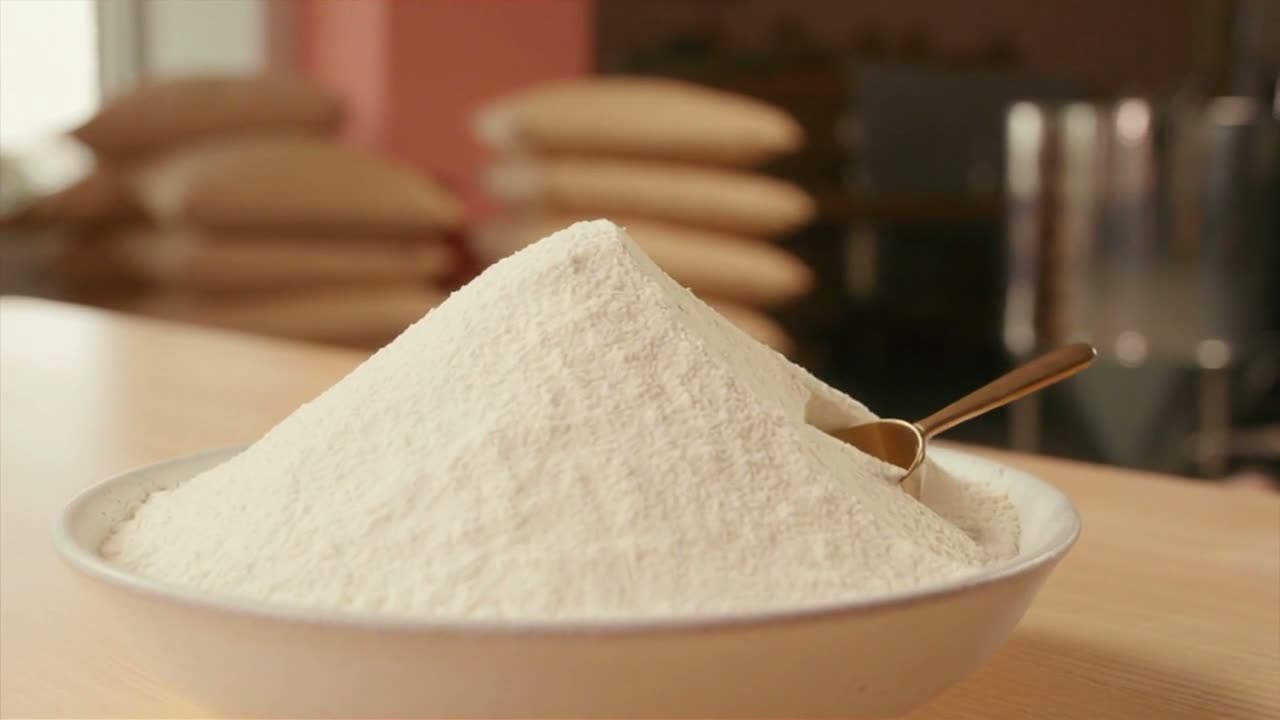
Konjac Bio Limited is a konjac sourcing and trading company based in Shanghai, China. We supply konjac glucomannan powder, konjac flour and konjac gum (E425), shirataki and konjac noodles, konjac rice, konjac jelly and konjac sponges to brands, importers, distributors, manufacturers and wholesale buyers. konjac.bio is our reference site.
The plant behind these products is Amorphophallus konjac, listed in the NCBI taxonomy database. Its corm is processed into the ingredients and finished goods we source.
How we work
We source from vetted producers in Yunnan, Hubei, Sichuan, Guizhou and Shaanxi, China's main konjac-growing regions. Orders are consolidated across producers where needed and checked against the buyer's specification before shipment.
For powders we check particle size (mesh), viscosity, moisture, sulphur dioxide residue, microbiology and glucomannan content. For finished goods such as shirataki noodles, konjac jelly and konjac sponges we check net weight, packaging and shelf life. We arrange export documents and freight, and we pass the producer's own specification sheet and certificate of analysis through to the buyer unchanged.
What we do not do
We do not give medical advice and we make no health claims for konjac or glucomannan; we describe glucomannan as a soluble fibre and food ingredient only.
We do not hold or claim any certification ourselves. If a buyer needs a specific food safety or quality certification document, we ask the producer for it and pass it on unchanged; we recommend buyers verify any certificate directly with the issuing body.
We do not sell to consumers — nothing is sold on this site — and we do not manufacture; we are a trader.
Editorial policy
We check every source before publishing and remove any we cannot verify. When we find an error, or a citation that does not support the statement next to it, we correct or remove it.
We are currently re-verifying every citation on the site; this review runs in parallel with normal publishing. If you find an error on any page, email hello@konjac.bio with the page URL and the specific line.
Contact
Konjac Bio Limited
Reception, Floor 3, Building 5
657 Guangzhong Road
Shanghai, China
Email: hello@konjac.bio
Hours: Monday to Friday, 09:00 to 18:00 Shanghai time (UTC+8)
When you contact us, include the product, grade, volume and destination country. See contact for the full list.
Frequently asked questions
01 Are you a manufacturer?
02 Do you sell to consumers?
03 Where are you based?
04 What documents come with a shipment?
05 How do I report an error on the site?
- Amorphophallus konjac K.Koch · Plants of the World Online, Royal Botanic Gardens Kew · 2024